
Full Story
The Life Cycle of a Butterfly: An Overview
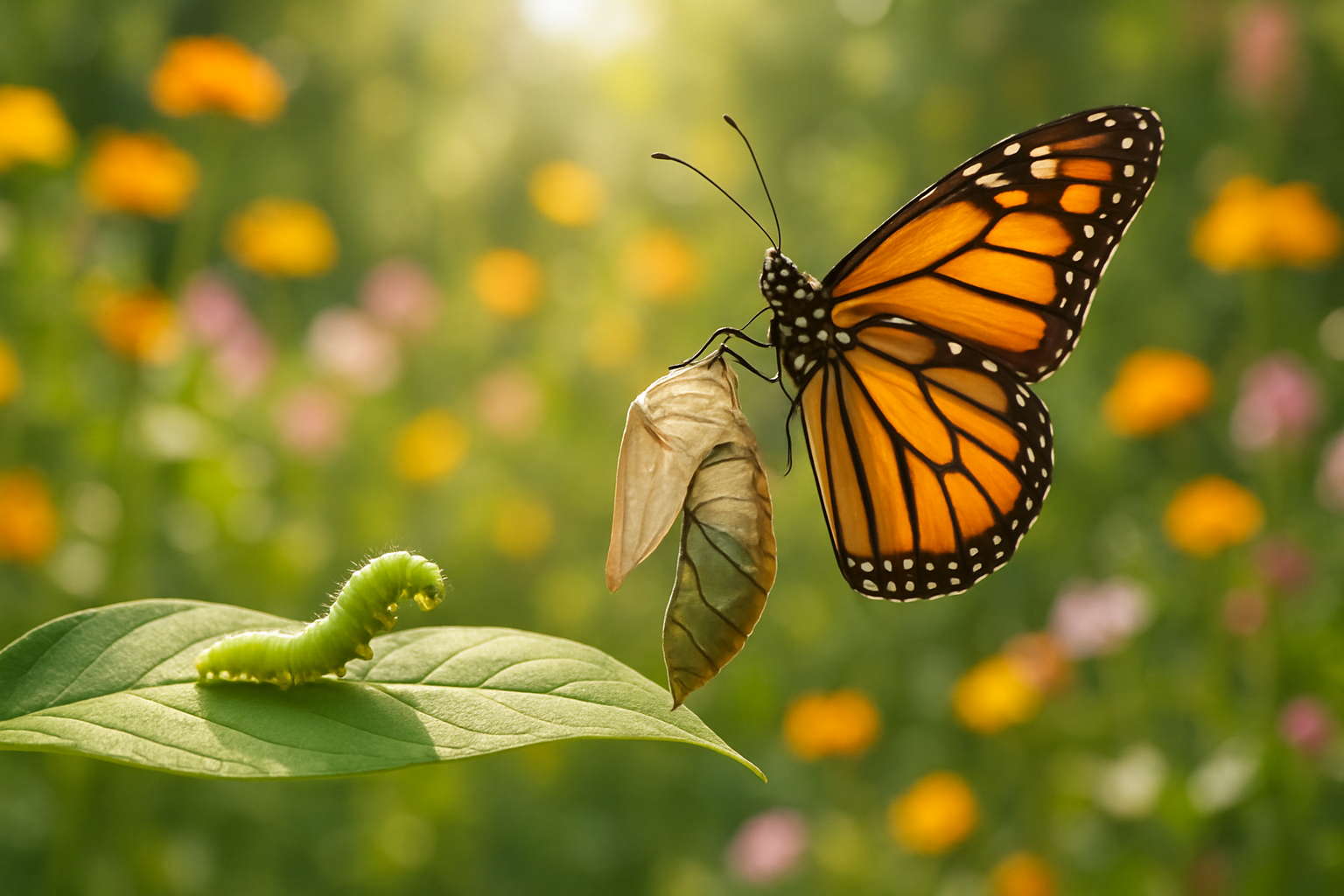
Butterflies begin their lives as tiny eggs laid on leaves. When these eggs hatch, tiny caterpillars emerge. These caterpillars are the larval stage of the butterfly and spend their time eating leaves and growing rapidly.
From Tiny Caterpillars to Growing Larvae
At first, caterpillars are very small and vulnerable. They eat constantly to gain energy and size. As they grow, they shed their skin several times in a process called molting. This allows them to expand and prepare for the next stage of their life.
Forming the Chrysalis: The Pupal Stage
Once the caterpillar has grown enough, it stops eating and finds a safe spot to form a chrysalis, also known as a pupa. Inside this protective casing, the caterpillar undergoes a dramatic transformation. Its body breaks down and reorganizes into the adult butterfly.
Emerging as a Beautiful Butterfly
After days or weeks inside the chrysalis, the butterfly emerges. At first, its wings are soft and crumpled. The butterfly pumps fluid into its wings to expand and strengthen them. Once ready, it takes flight, showcasing its vibrant colors and patterns.
Why This Transformation Matters
This metamorphosis is not just fascinating to watch; it plays a crucial role in the ecosystem. Butterflies are important pollinators, helping plants reproduce. Their presence also indicates a healthy environment.
Fun Facts About Caterpillars and Butterflies
◎ Caterpillars have up to 4,000 muscles, while butterflies have only about 200.
◎ Some caterpillars can mimic snakes or bird droppings to avoid predators.
◎ Butterflies taste with their feet, helping them find the right plants to lay eggs on.
◎ The colors on butterfly wings come from tiny scales that reflect light.
Conservation and Care
Many butterfly species face threats from habitat loss and pollution. Protecting gardens and natural areas with native plants helps caterpillars find food and butterflies thrive. Watching this transformation can inspire us to care for nature and its delicate balance.
Witnessing the journey from tiny caterpillar to beautiful butterfly reminds us how amazing and intricate life can be. It’s a story of growth, change, and the endless wonders of the natural world.