
Full Story
5. Mochi
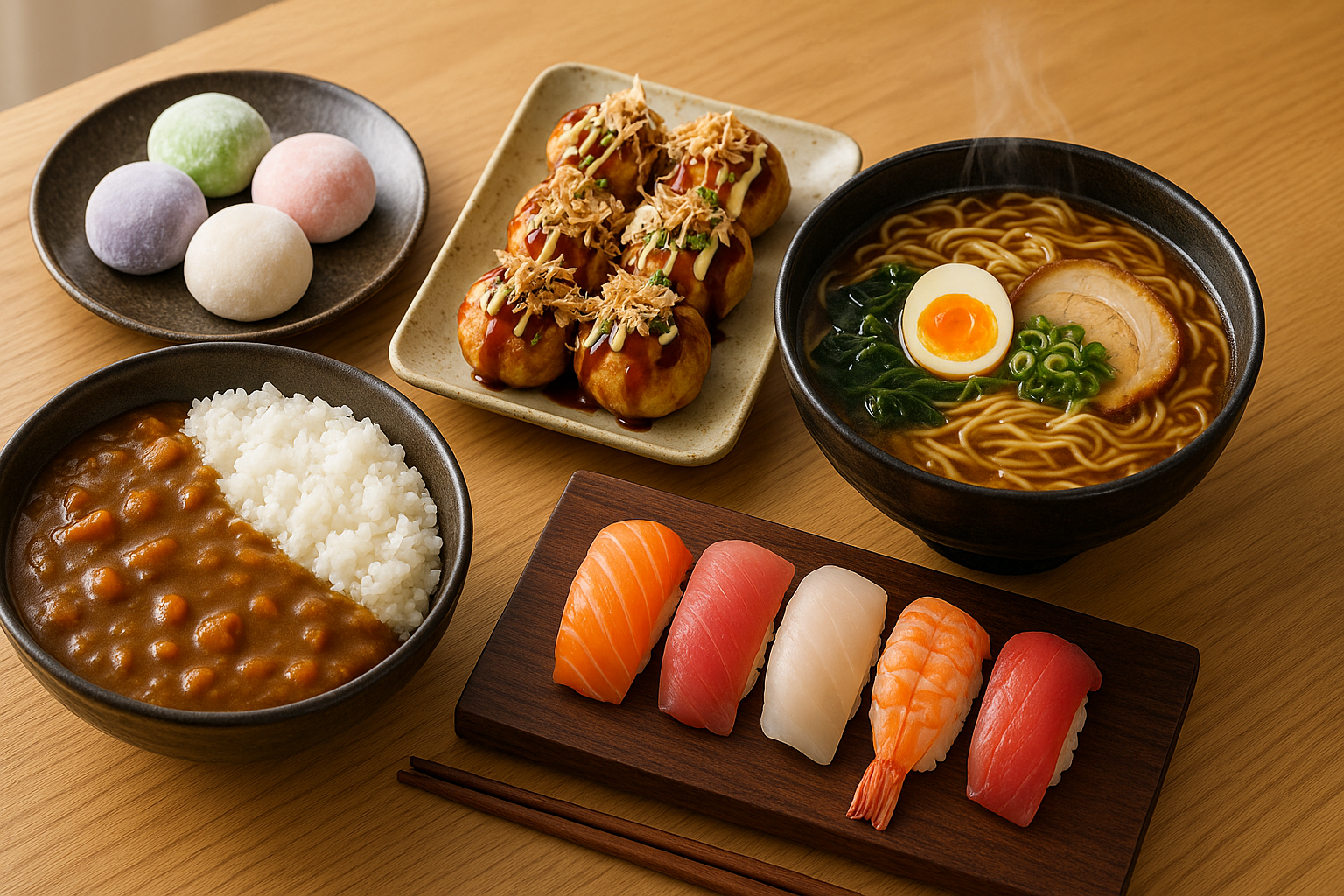
Mochi is a traditional Japanese rice cake made from glutinous rice pounded into a sticky, chewy texture. It’s often enjoyed as a sweet treat, sometimes filled with red bean paste or ice cream. Mochi’s unique texture is both soft and elastic, making it a fun and addictive snack. It’s especially popular during Japanese New Year celebrations but is enjoyed year-round. The process of making mochi, called mochitsuki, is a cultural event where families and communities come together to pound the rice.
4. Takoyaki
Takoyaki are savory octopus-filled balls made from a wheat flour-based batter and cooked in a special molded pan. Originating from Osaka, these bite-sized snacks are crispy on the outside and tender inside, filled with diced octopus, tempura scraps, pickled ginger, and green onion. They’re typically topped with takoyaki sauce, mayonnaise, bonito flakes, and seaweed powder. Takoyaki’s combination of flavors and textures makes it a street food favorite and a must-try for visitors to Japan.
3. Japanese Curry
Japanese curry is a hearty, mildly spiced stew that differs from its Indian and Thai counterparts. It usually contains chunks of meat, potatoes, carrots, and onions in a thick, savory sauce. The curry roux is often sweeter and less spicy, making it comforting and accessible to all ages. Served over rice or with breaded pork cutlets (katsu curry), this dish is a staple in Japanese households and schools. Its rich flavor and satisfying warmth make it incredibly addictive.
2. Ramen
Ramen is a beloved Japanese noodle soup with countless regional variations. It typically features wheat noodles served in a flavorful broth made from pork, chicken, miso, or soy sauce, topped with ingredients like sliced pork, green onions, boiled eggs, and seaweed. The balance of broth, noodles, and toppings creates a comforting and deeply satisfying meal. Ramen shops are popular gathering spots, and the dish’s versatility keeps fans coming back for more.
1. Sushi
Sushi is perhaps Japan’s most famous culinary export. It consists of vinegared rice paired with fresh seafood, vegetables, or egg. Varieties include nigiri (rice topped with fish), maki (rolled sushi), and sashimi (sliced raw fish without rice). Sushi emphasizes freshness, quality ingredients, and artistic presentation. Its delicate flavors and health benefits have made it a global favorite. Sushi chefs train for years to perfect their craft, highlighting the dish’s cultural importance.
Why People Love These Foods
Each of these five Japanese foods offers something special: mochi’s chewy sweetness, takoyaki’s savory bite, curry’s comforting warmth, ramen’s rich broth, and sushi’s fresh elegance. They reflect Japan’s culinary diversity and dedication to quality. Whether enjoyed as street food, home cooking, or fine dining, these dishes continue to captivate taste buds worldwide.