
Full Story
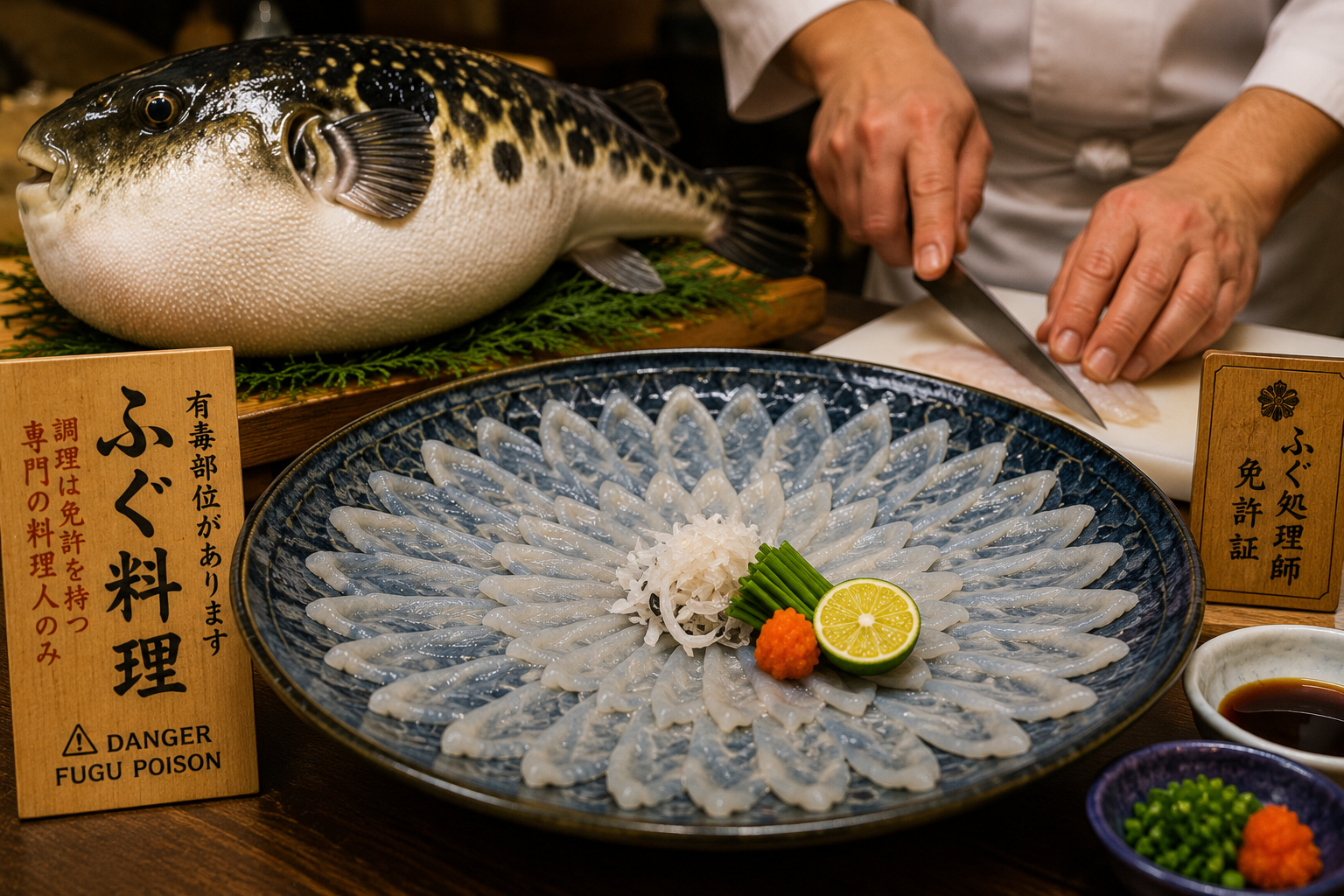
Fugu: Japan's Deadly Delicacy
Imagine ordering a meal...
...that could become deadly if prepared incorrectly.
That's exactly why fugu, Japan's famous pufferfish dish, has earned worldwide attention.
A Fish With a Powerful Secret
Certain species of pufferfish contain tetrodotoxin, one of the most potent naturally occurring neurotoxins known.
The toxin is commonly concentrated in organs such as the liver, ovaries, intestines, and skin, depending on the species.
Even tiny amounts can interfere with nerve signals, causing paralysis while the victim remains conscious.
There is currently no known antidote.
Treatment focuses on supporting breathing and circulation until the toxin leaves the body.
Why Is It Still Served?
Despite the danger, fugu has become a celebrated part of Japanese cuisine.
Its mild flavor and delicate texture are appreciated by many diners, but the real attraction is the extraordinary level of craftsmanship required to prepare it safely.
Years of Training
In Japan, chefs who wish to prepare fugu must complete extensive training that often lasts two to three years or more, depending on the region.
They must then pass difficult written, practical, and identification examinations before receiving a license.
Only licensed chefs are legally permitted to serve fugu in most parts of Japan.
Is It Safe?
Today, serious poisonings from licensed restaurants are extremely rare.
Most modern poisoning cases occur when untrained individuals attempt to prepare wild pufferfish themselves.
Japan's strict regulations have made professionally prepared fugu remarkably safe despite its dangerous reputation.
A Delicacy Unlike Any Other
Fugu remains one of the world's most famous examples of how culinary tradition, scientific knowledge, and rigorous training come together.
It is a reminder that sometimes the most extraordinary meals require extraordinary skill.