
Full Story
5 Terrifying Things Your Brain Is Hiding From You
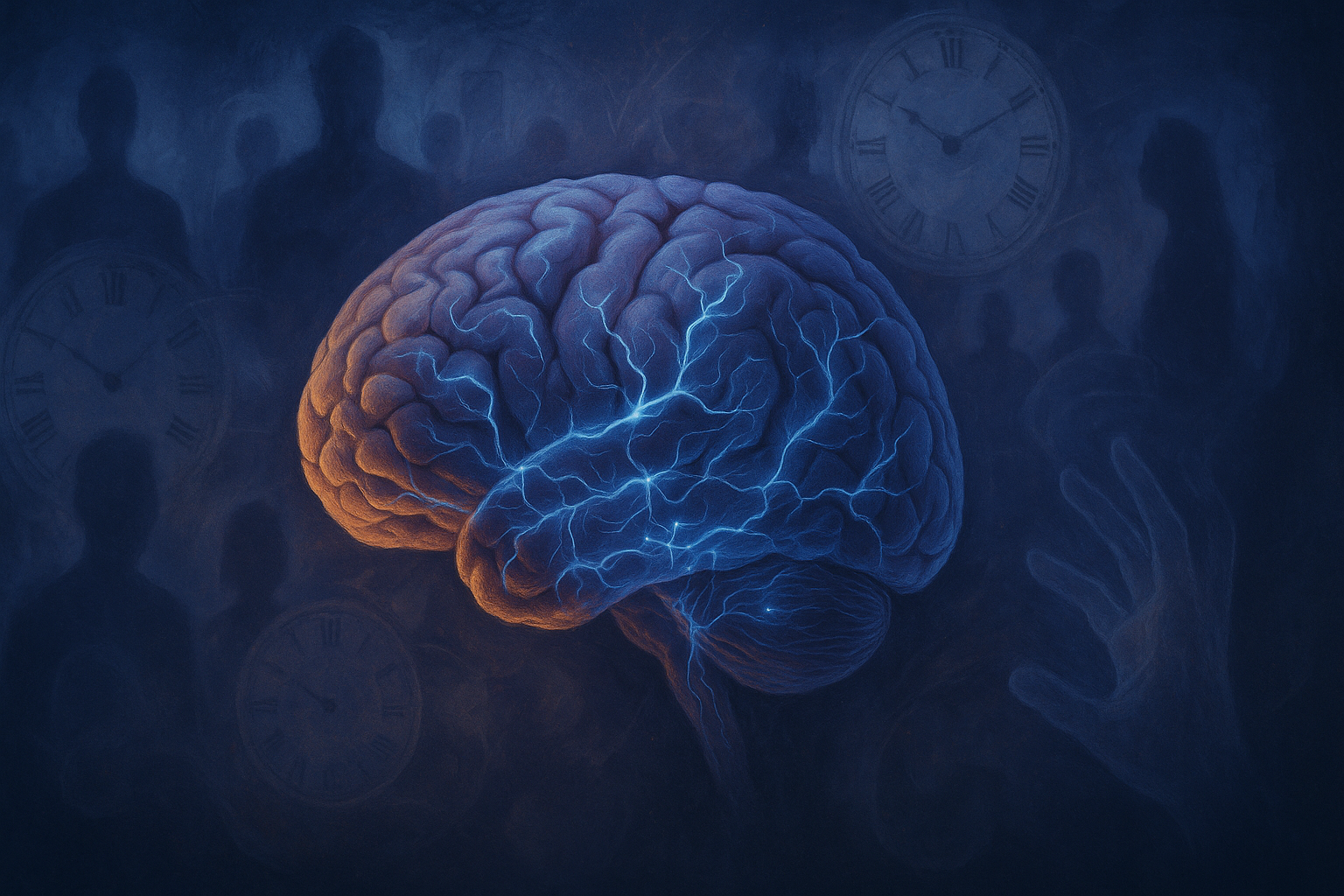
Your brain is one of the most complex objects in the known universe. To help you survive, it doesn't simply record reality—it actively creates your experience of it.
Here are five fascinating examples.
1. Sleep Paralysis and Shadow Figures
Some people wake up unable to move while sensing a dark figure standing nearby.
This phenomenon, known as sleep paralysis, happens when the brain wakes before the body fully exits REM sleep. Dream imagery can briefly overlap with reality, creating vivid hallucinations that have inspired ghost stories and urban legends for centuries.
Although frightening, the experience is generally harmless and usually lasts only a few seconds or minutes.
2. False Memories
Your memory isn't a video recording.
Every time you recall an event, your brain reconstructs it from stored information, emotions, and expectations. During this process, entirely new details can be added without you realizing it.
This is why people can confidently remember conversations or events that never actually happened.
3. You're Always Seeing the Past
The brain needs time to collect visual information and process it.
Because this takes a fraction of a second, everything you see has already happened by the time you consciously experience it.
Your brain cleverly predicts the present to make the world feel seamless, creating the illusion of real-time perception.
4. Phantom Pain
Many amputees continue feeling pain, itching, or movement in limbs that no longer exist.
Scientists believe the brain's map of the body remains active even after the limb is gone, producing sensations that feel completely real.
This remarkable phenomenon has helped researchers better understand how the brain constructs physical experience.
5. Your Brain Edits Reality
Every second, your senses receive millions of pieces of information.
If your brain processed everything equally, you'd be overwhelmed.
Instead, it filters, predicts, fills gaps, ignores distractions, and even invents details to create a smooth and understandable version of reality.
In many ways, the world you experience is a carefully edited production created inside your own mind.
The Amazing Truth
These experiences may sound terrifying, but they're actually evidence of an incredibly powerful brain constantly working behind the scenes to help you navigate everyday life.
Reality isn't just observed—it's actively constructed.